Main Attractions of Katon
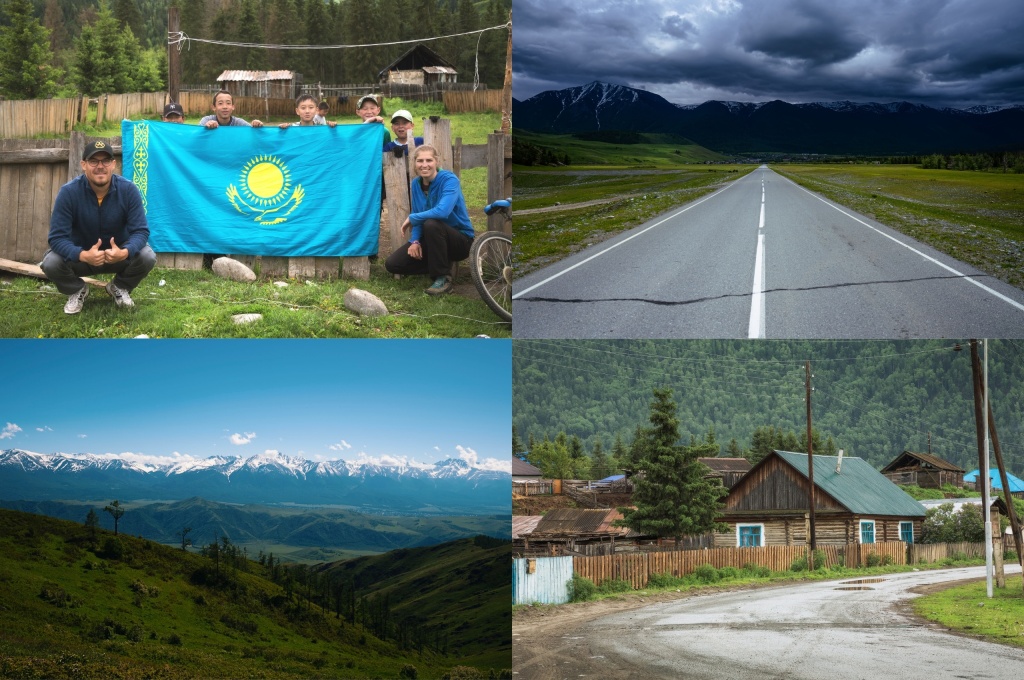
We will visit the Bukhtarma Reservoir with its picturesque rocky shores covered with pine forests. We will explore the mysterious Katon-Karagay, famous for its unique honey, herbs, pine nuts, and breathtaking landscapes.
During the trip, we will swim in one of the largest reservoirs in the world, travel along the historic Austrian Road, cross the Burkhat Pass, and admire the highest peak of Siberia and Altai - sacred Mount Muztau (Belukha), reflected in the mirror-like waters of Lake Yazovoye.
We will learn about the culture of settlers who actively populated the lands of Katon in the 18th century. We will also touch the mysteries of ancient burial sites - the Berel burial mounds.
June: weekly departures from June 4 to June 30. We start on Thursday and finish on Tuesday.
July: weekly departures from July 2 to July 28. We start on Thursday and finish on Tuesday.
August, September, October: weekly departures. We start on Monday and finish on Saturday.


3-5 km per trip

on the route: 2,300 m

recreation centers

of Katon

3 to 14 people


or small hotel
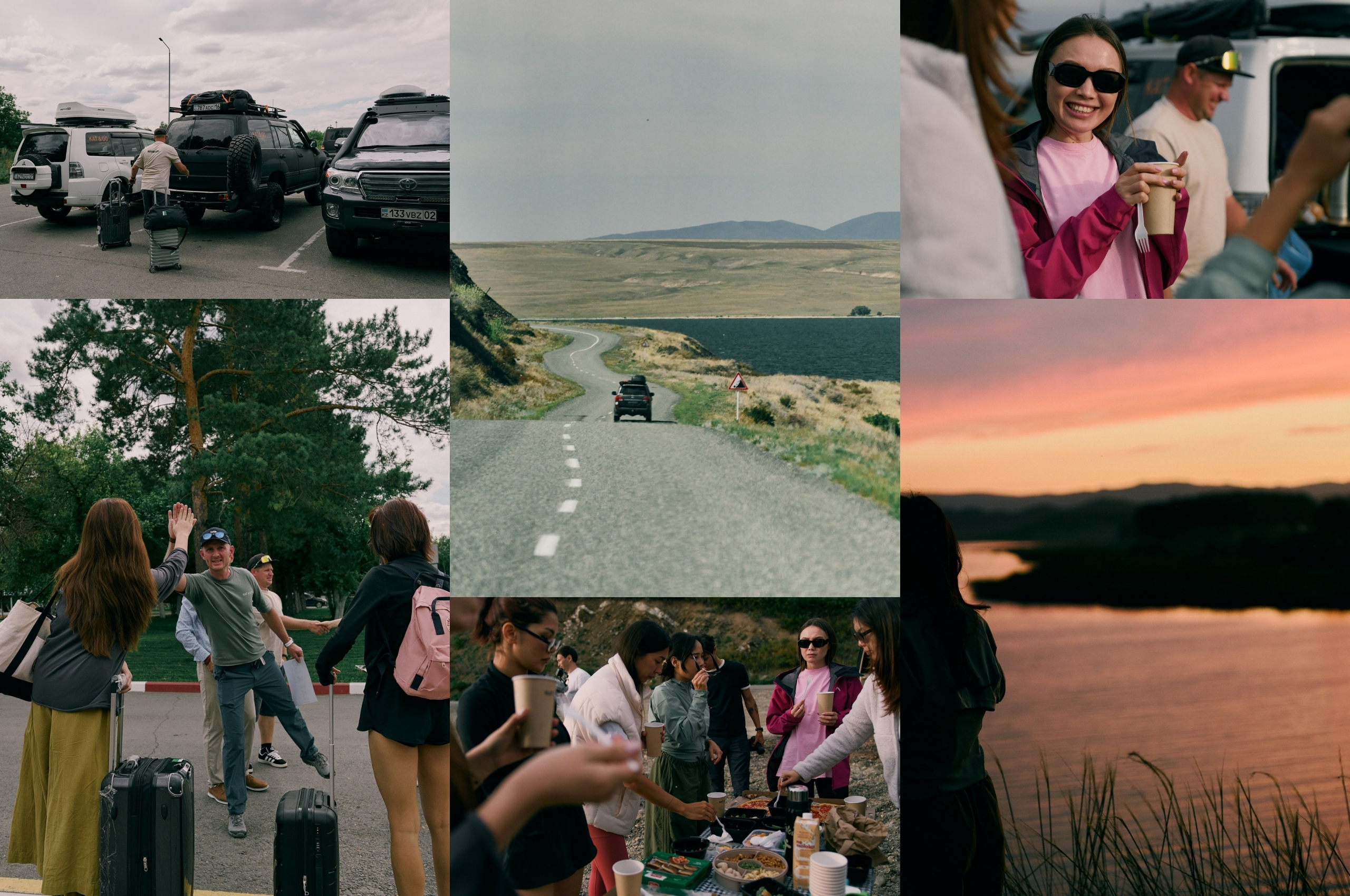
Arrival in Ust-Kamenogorsk. Meeting the group at the airport. A short briefing with the guide about the itinerary. Seating in vehicles and departure towards Katon-Karagay.
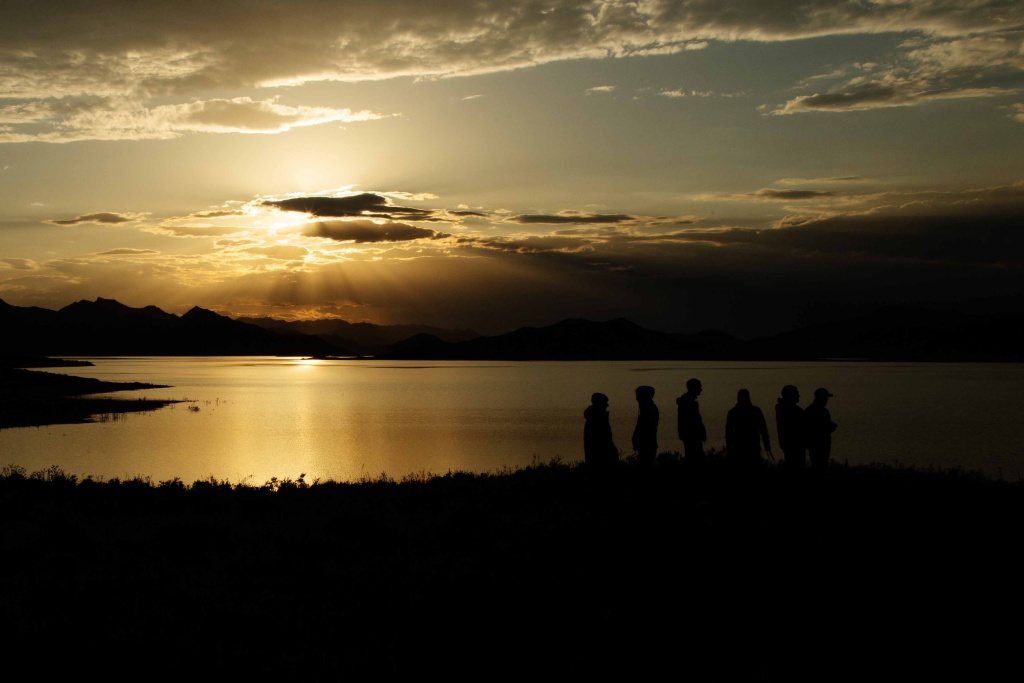
After about 1.5–2 hours on the road, we will reach a beautiful bay offering a stunning panoramic view of vast sunflower fields set against the backdrop of the Bukhtarma Reservoir. Here we will arrange a picnic while admiring the sunset sinking into the endless waters.
The Bukhtarma Reservoir occupies a significant part of the Bukhtarma depression. It consists of two main sections: the river section - in the valley of the Irtysh River, the lake section - formed on the site of Lake Zaysan, where a vast open water area has developed. According to a number of sources, the Bukhtarma Reservoir is one of the largest artificial reservoirs in the world. Its area is approximately 5,490 km².
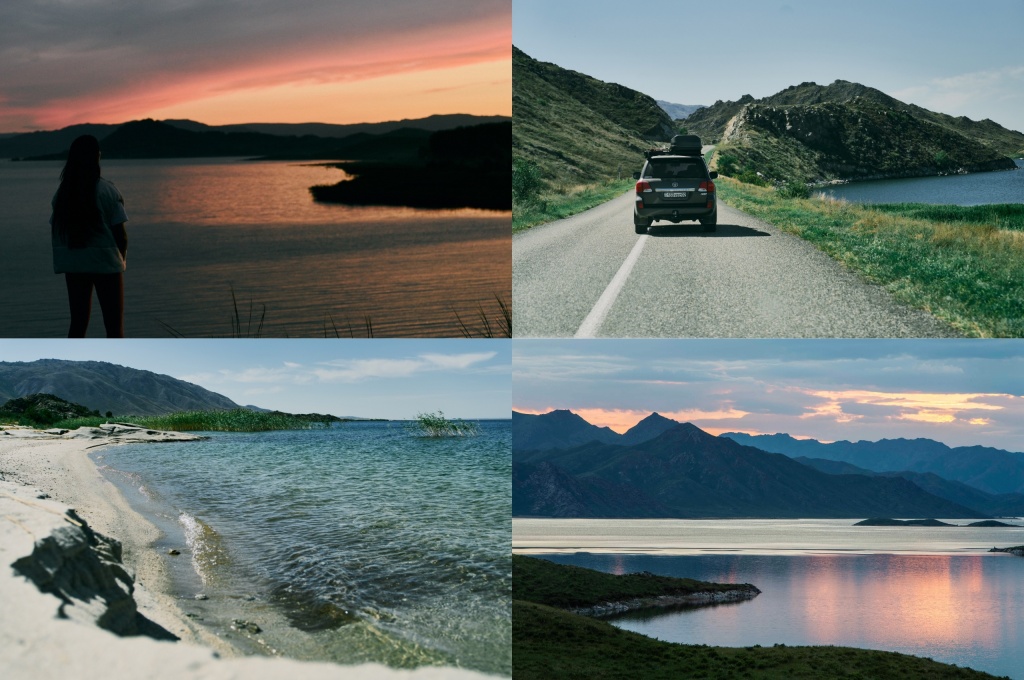
In the valleys of the Bukhtarma and Narym rivers, as well as in the Monchekur depression, bays were formed ranging from 30 to 50 km in length and up to 10 km in width. The reservoir provides a deep-water navigation route and improves navigation conditions on the Irtysh River.
The creation of the reservoir is associated with the construction of the Bukhtarma Hydroelectric Power Station. The filling of the reservoir began in 1960.
Afterward, we make a short transfer to Altai Bay, where we stay at one of the recreation bases on the shore of the Bukhtarma Reservoir. Accommodation, dinner, and rest.
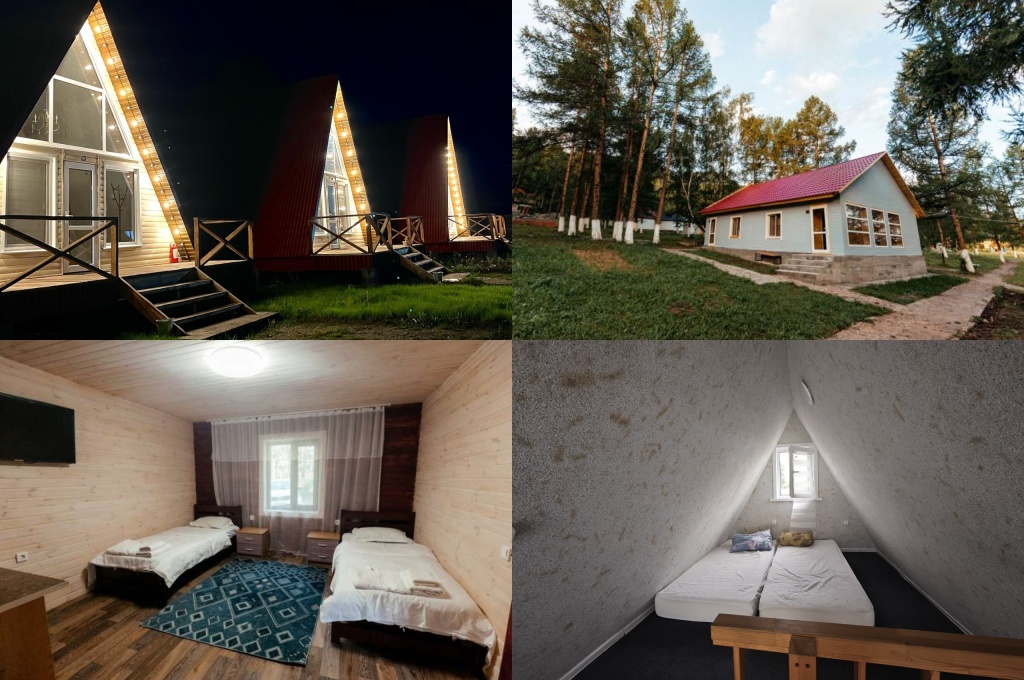
*We have selected several comfortable recreation bases and will stay at one depending on availability. Double or triple rooms with private shower and toilet.

small hotel or guest house

guest house
Wake-up at 8:00 a.m.
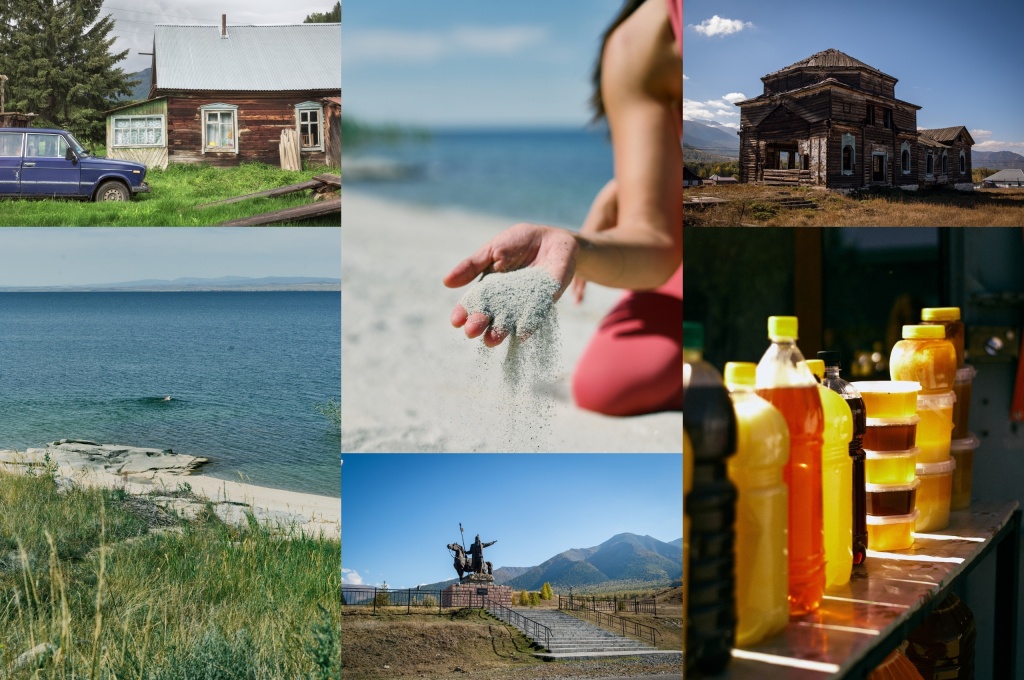
Breakfast and preparation. Departure no later than 12:00 p.m.The day begins with the “Road of Dreams,” often called the most beautiful road in East Kazakhstan. We will drive along the reservoir shoreline and, depending on weather and preference, stop at a wild beach for swimming and a picnic.
In the afternoon, the landscape will gradually change: mountains will rise dramatically, and the reservoir will disappear in the rear-view mirror. We arrive in Katon-Karagay. We will stroll through the local market where you can purchase honey, herbs, tinctures, and pantocrine. We will visit several semi-ruined historical sites dating back to the 18th century.
The settlement of Katon-Karagay was formed in the Soviet period by merging two localities - not Katon and Karagay, but the volost settlement of Katon-Karagay (founded in 1868) and the Cossack stanitsa Altayskaya (founded in 1871). The two settlements were located about two versts (approximately 2 km) from each other.
Here is how they were described by the well-known regional researcher, priest Boris Georgievich Gerasimov, in his article “A Trip to the Rakhmanov Mineral Springs”:
“The stanitsa Altayskaya lies in the valley of the left tributary of the Bukhtarma River and is completely immersed in the greenery of gardens. Irrigation channels run murmuring along the streets. A beautiful, dense alley, mainly of birch trees, gives the settlement a picturesque appearance. In stanitsa Altayskaya, the postal route from Ust-Kamenogorsk ends and is replaced further on by a local district road. The fair held from December 6 to 19 reportedly has a turnover of up to 250,000 rubles…
The Katon-Karagay settlement is located two versts from stanitsa Altayskaya. The settlement has a market, a customs office, a school, the chamber of a justice of the peace, and a small hut on chicken legs with the sign ‘Altai Detention House.’ The rural chief of Ust-Kamenogorsk district also lives here.”
By evening, arrival at our accommodation. Dinner and rest.
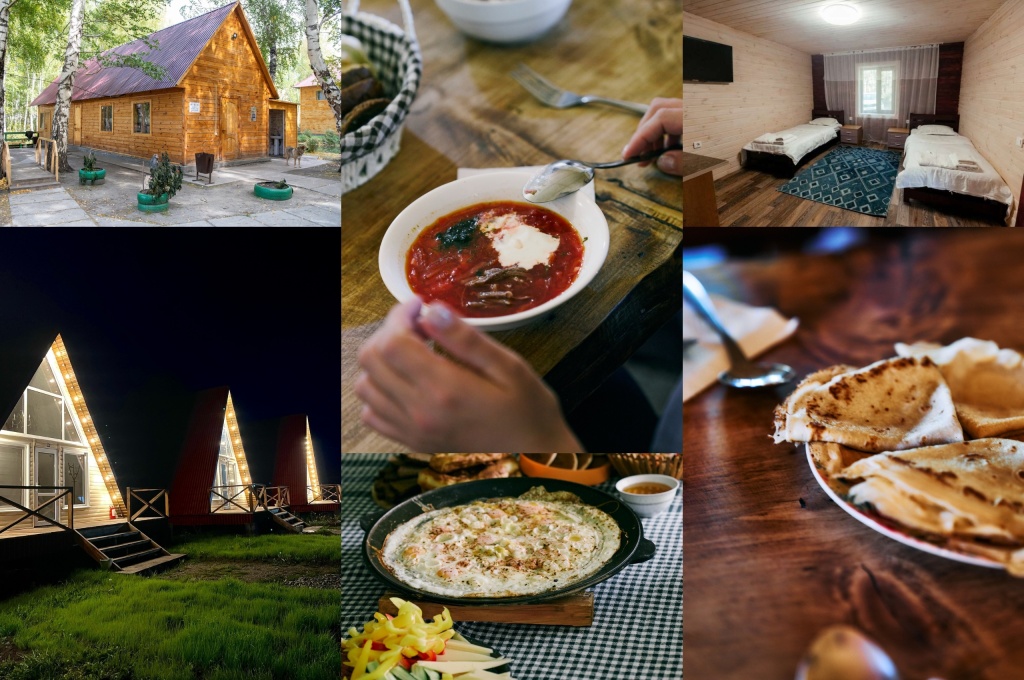
*Accommodation in a guest house or small hotel, depending on availability. Double or triple rooms with all standard amenities: private shower and toilet.
guest house

guest house
Wake-up at 8:00 a.m.
Breakfast and departure by 10:00 a.m. Leaving Katon-Karagay, we head toward less touristy but equally beautiful locations along the right bank of the Bukhtarma River.
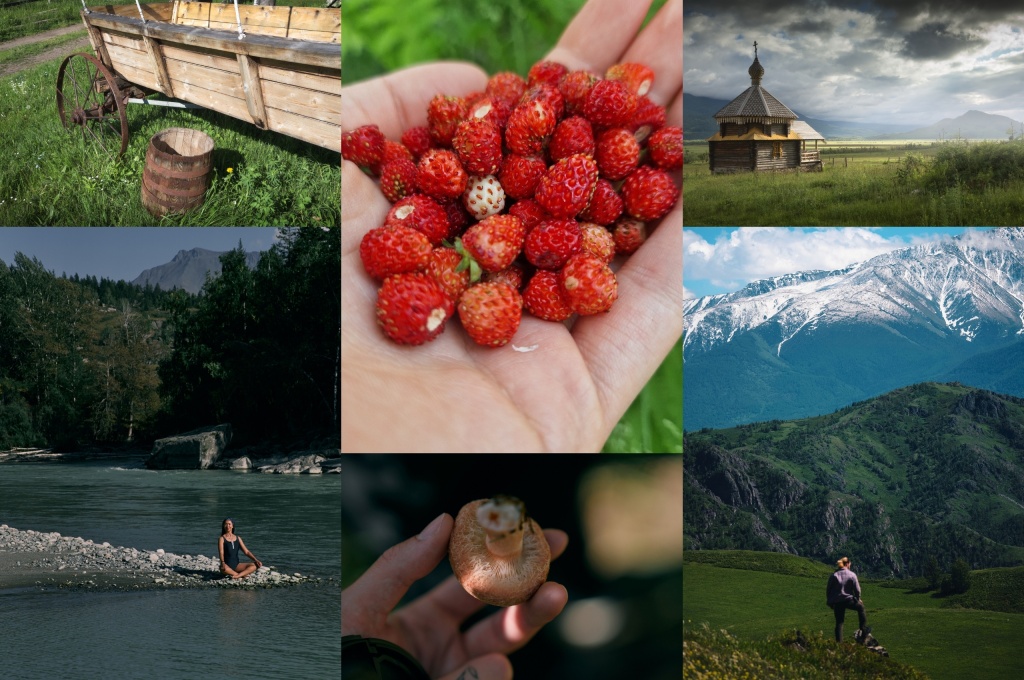
We will admire breathtaking views of the Katon Mountains and river expanses. We will pass through several small authentic villages, meet locals, and visit a beautiful birch forest to gather wild strawberries. In the most scenic spot, we will arrange a picnic.
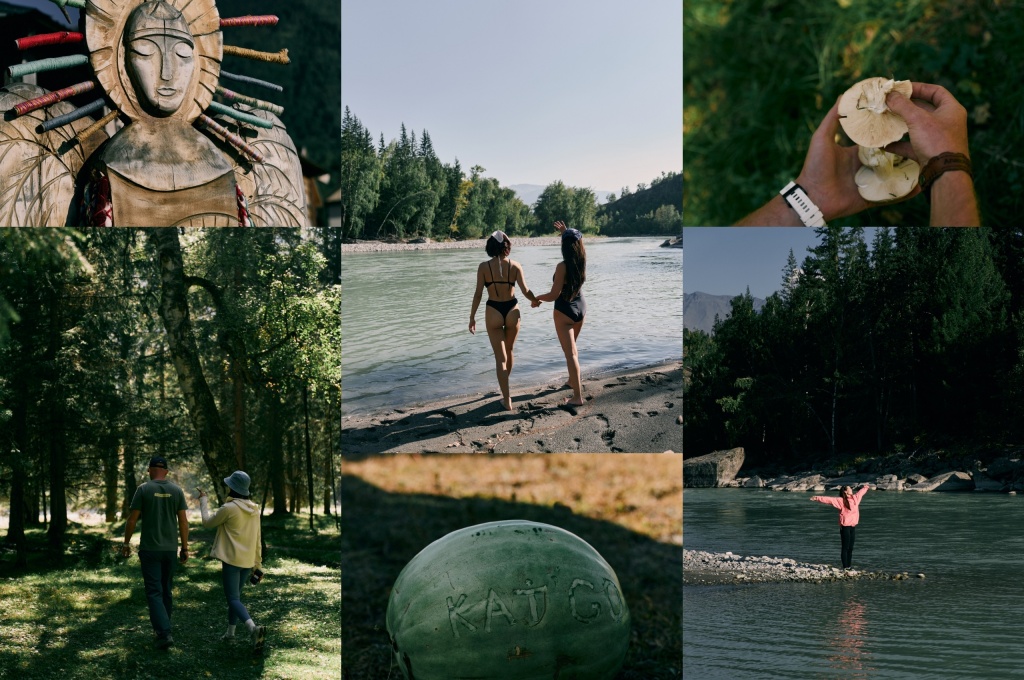
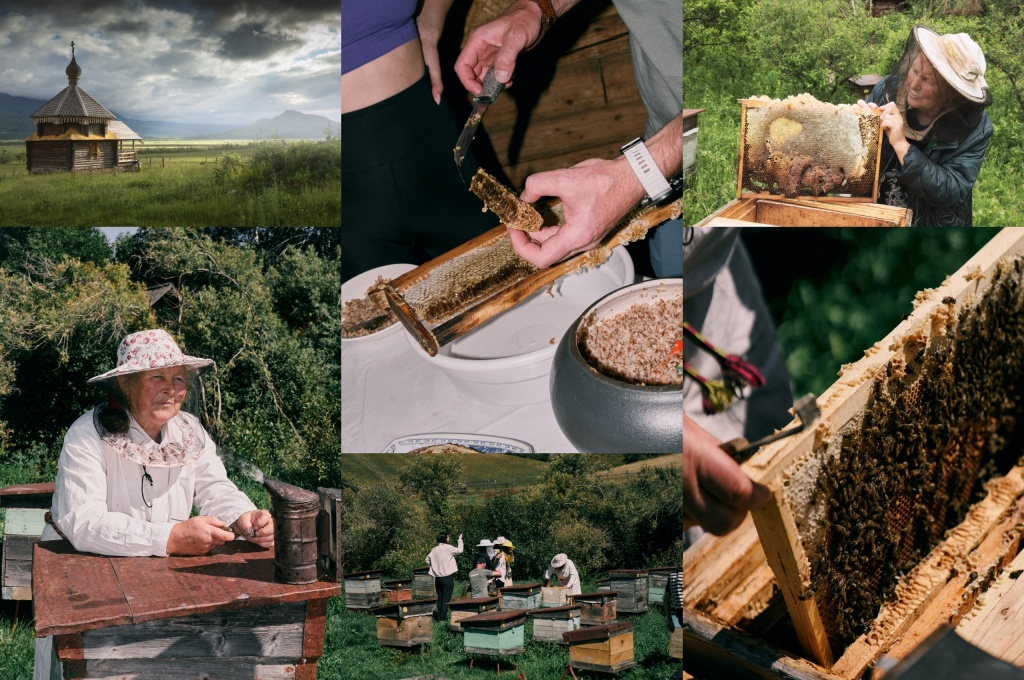
In the afternoon, we visit Klimova Farmstead, where we learn about Katon bees and local honey production. This unique place in the Kazakh Altai offers insights into the culture of settlers who actively populated these lands in the 18th century.
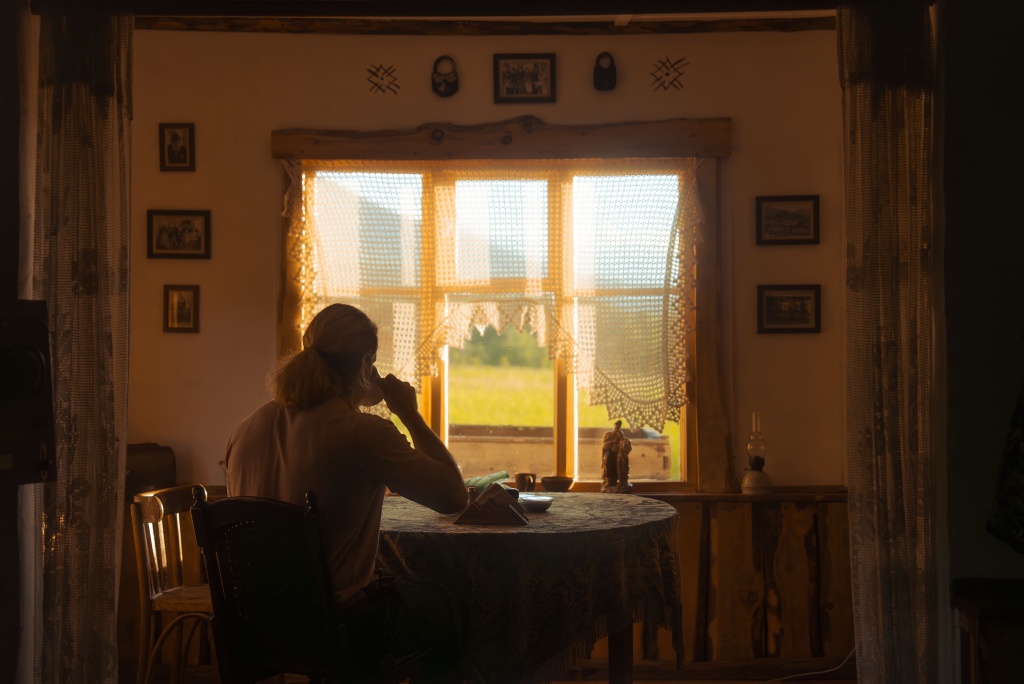
In its own way, this is a unique place in the Kazakh part of Altai, and everyone who visits will discover something new they had never even imagined before. The farm of Vera Pavlovna Klimova was founded by her father, Pavel Fyodorovich, who simply named it “Klimov” after his surname. Although Vera Pavlovna was born into a family of beekeepers, she began actively working in beekeeping only in 2001, after her father passed away and she had to take over the management of the farm. However, Vera Pavlovna not only successfully continued the beekeeping tradition but went even further by developing apitherapy in addition to running a guest house. At present, the apiary has two small wooden cabins equipped with special beds placed directly over beehives. Scientifically, this wellness method is known as bioresonance therapy and is widely practiced in the Russian Altai region.
We will also visit the Berel Burial Mounds Museum to learn about the Pazyryk culture.
Today, the Berel burial ground includes more than 100 funerary and memorial structures dating back to the era of the early nomads. Its core consists of several parallel chains of kurgans (burial mounds) stretching generally from north to south with a slight deviation.
The Berel necropolis became widely known to the public in 1998 thanks to unique discoveries made in one of its largest burial mounds.
Between 1997 and 1999, an international archaeological expedition worked at Berel. The team included scholars from the Kazakh Institute of Archaeology, various research institutes and universities of Kazakhstan, the East Kazakhstan Regional Museum of Local History, as well as the French Archaeological Mission in Central Asia and the Italian research center Ligabue. This group of researchers uncovered a royal burial: a king and queen along with thirteen fully harnessed chestnut horses that had rested in the mound for about two thousand years (!). The studied kurgan is a specially constructed burial complex built for a person who occupied the highest position in the social hierarchy of the nomadic Scythian-Saka tribes of the Altai subregion. The structure of the mound allowed for the preservation of a large amount of organic material.
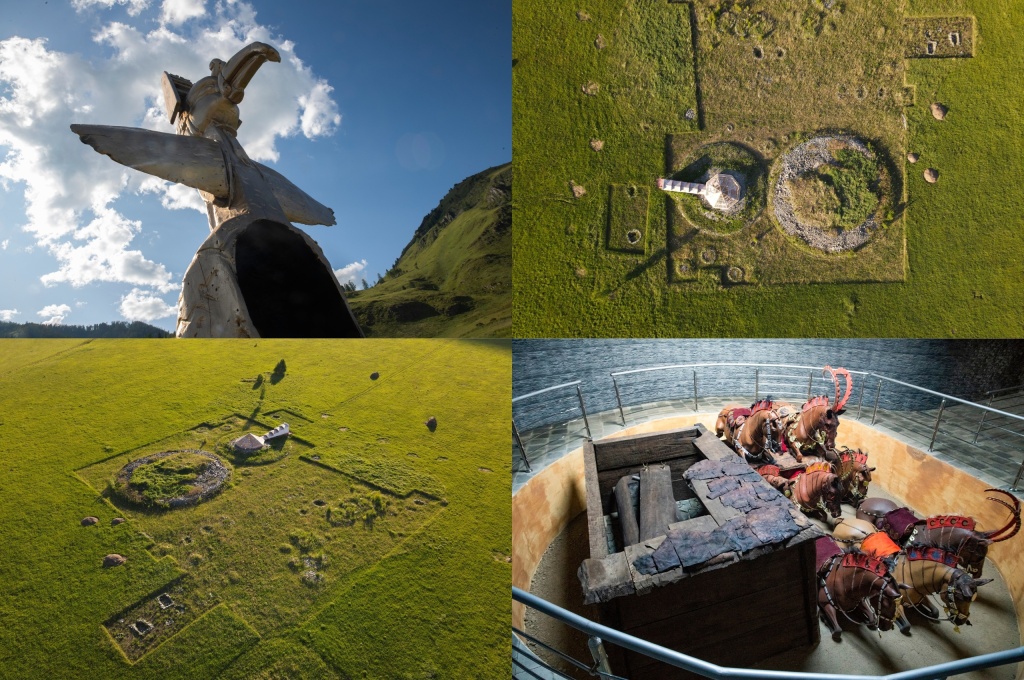
These discoveries essentially marked the beginning of new research into the ethnogenesis and ethnic history of the ancient, medieval, and modern peoples of the Central Asian region.
By evening, arrival in Berel. Accommodation, dinner, rest.
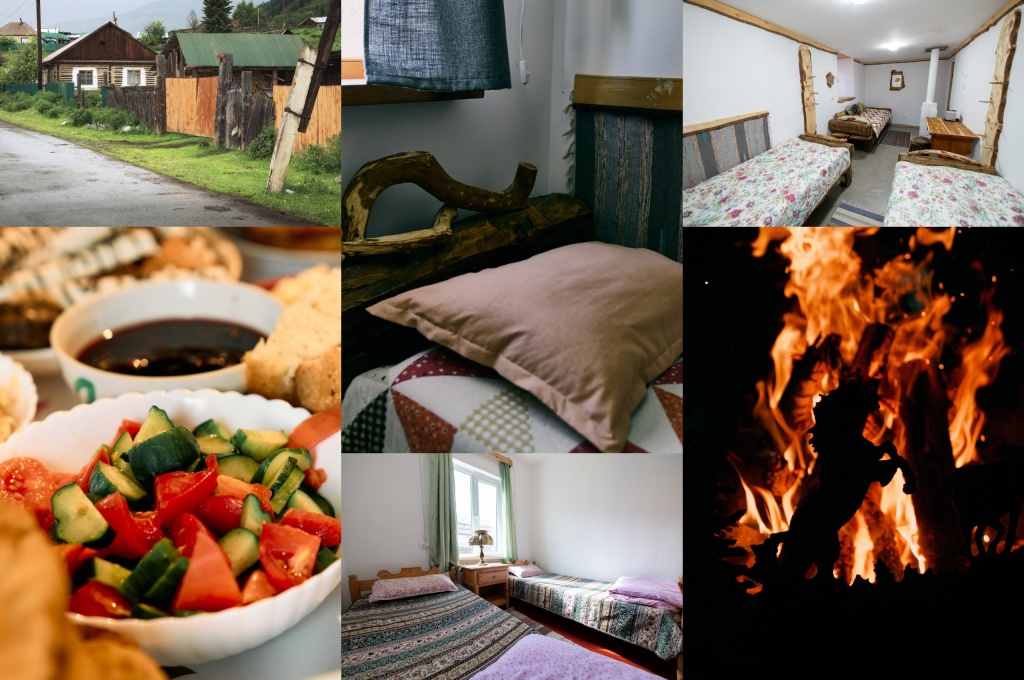
*Accommodation in one of the guest houses in the villages of Uryl or Berel, depending on availability. Double or triple rooms with standard shower and toilet facilities.

are off-road
guest house
guest house
Wake-up at 8:00 a.m.
Breakfast and departure by 10:00 a.m.
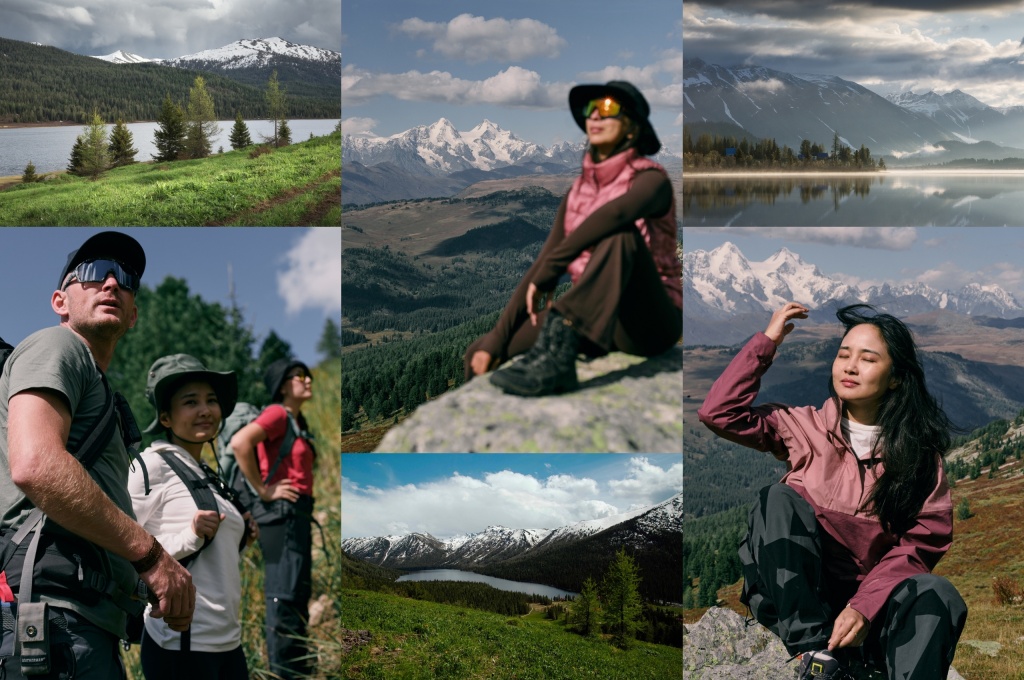
*Depending on weather and road conditions, we visit either the Rakhmanov Springs or Lake Yazovoye. Each place is unique and interesting in its own way.
Lake Rakhmanovskoye is located in a narrow mountain valley surrounded by forested slopes at an altitude of about 1,800 meters above sea level. The lake is approximately 2.5 km long and about 600 meters wide. According to various sources, its maximum depth reaches 30 meters. In summer, the water temperature usually does not exceed 15°C.
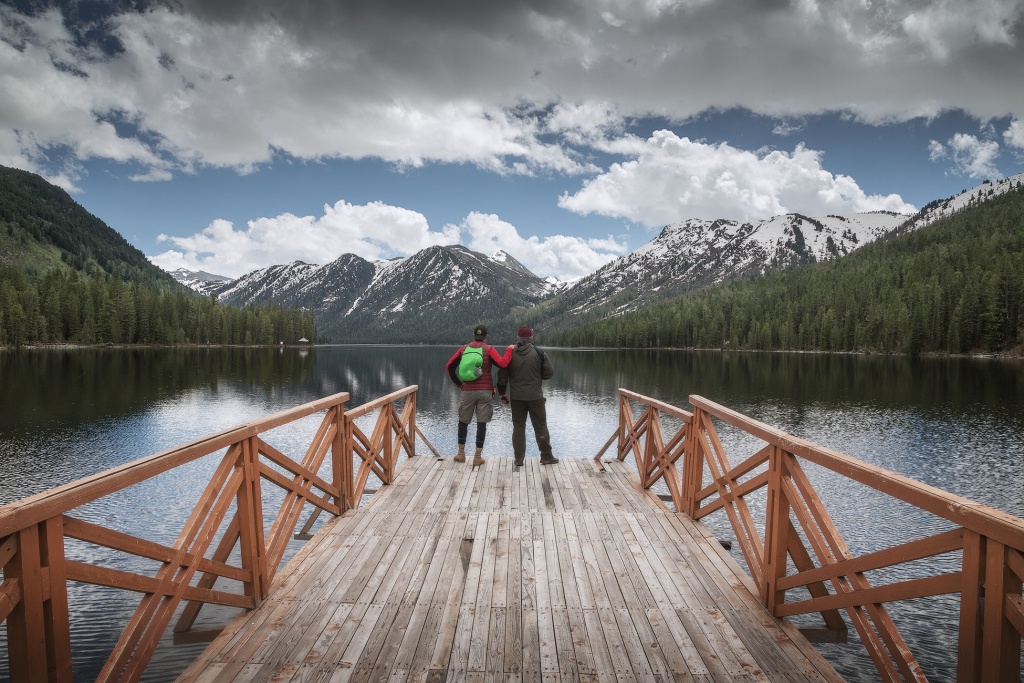
Local residents say that the lake was named after a hunter named Rakhman, who lived and hunted in these areas long before they became popular. A legend about the discovery of thermal springs on the lake’s shore is also associated with him.
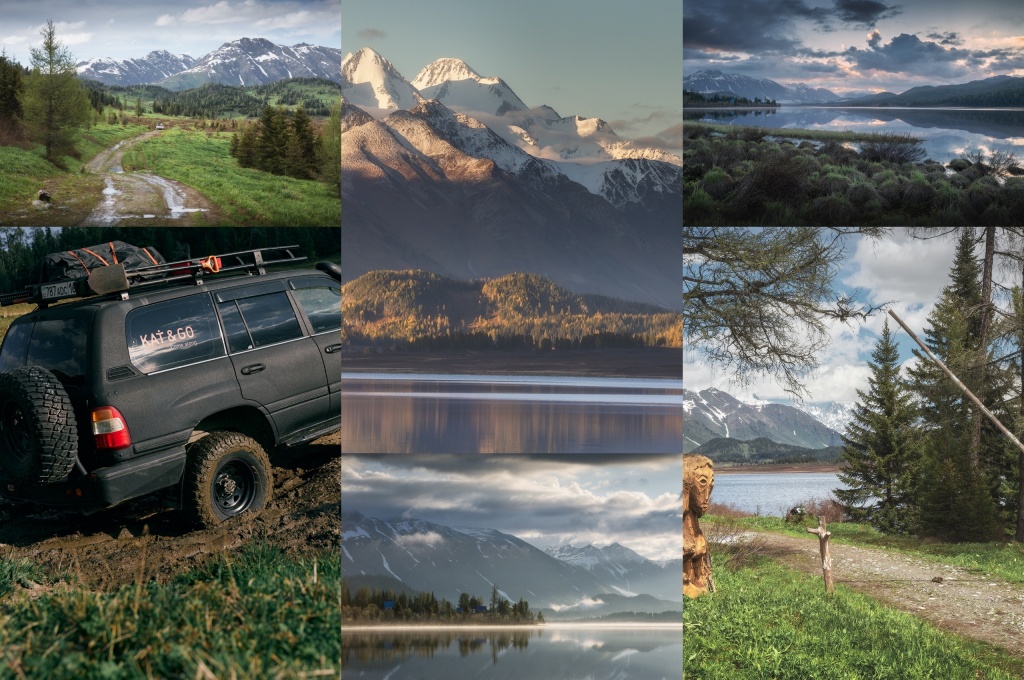
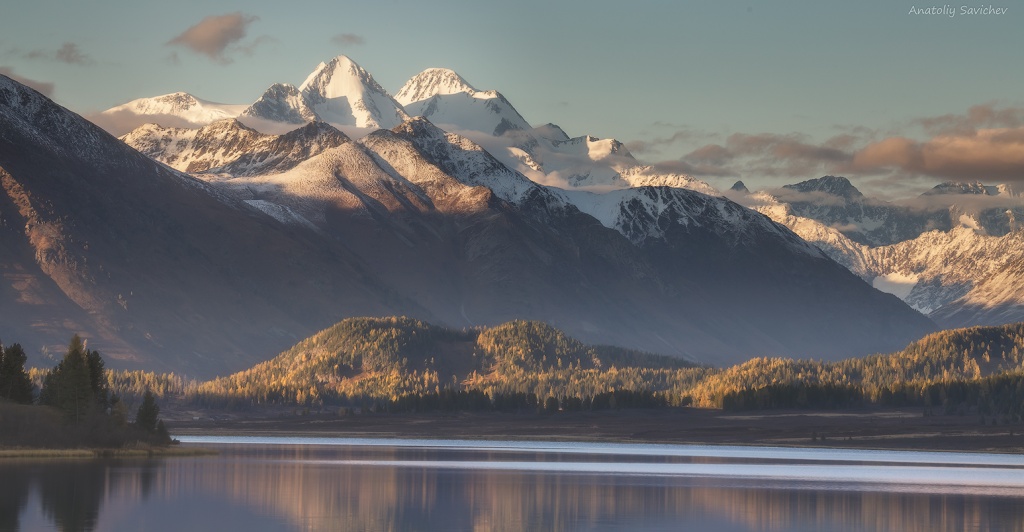
Lake Yazovoye is very popular among tourists aiming to reach the foot of Belukha or climb its summit. It is located along the most popular trail in the area, leading to the Kok-Kol base camp, where many natural attractions are concentrated.The lake is about 3 km long and 500 meters wide. Its maximum depth reaches 10 meters. It lies at an altitude of approximately 1,655 meters above sea level. The water temperature is relatively high for a mountain lake due to its dark color and silty bottom. It is said to be the only body of water in Southern Altai where ide fish are found in abundance - and fishing for them is permitted here. In good weather, the shores of the lake offer a stunning view of the two-peaked Belukha massif.
Picnic during the day. We will return to the guest house in the evening.
are off-road
guest house
guest house
Wake-up at 8:00 a.m.
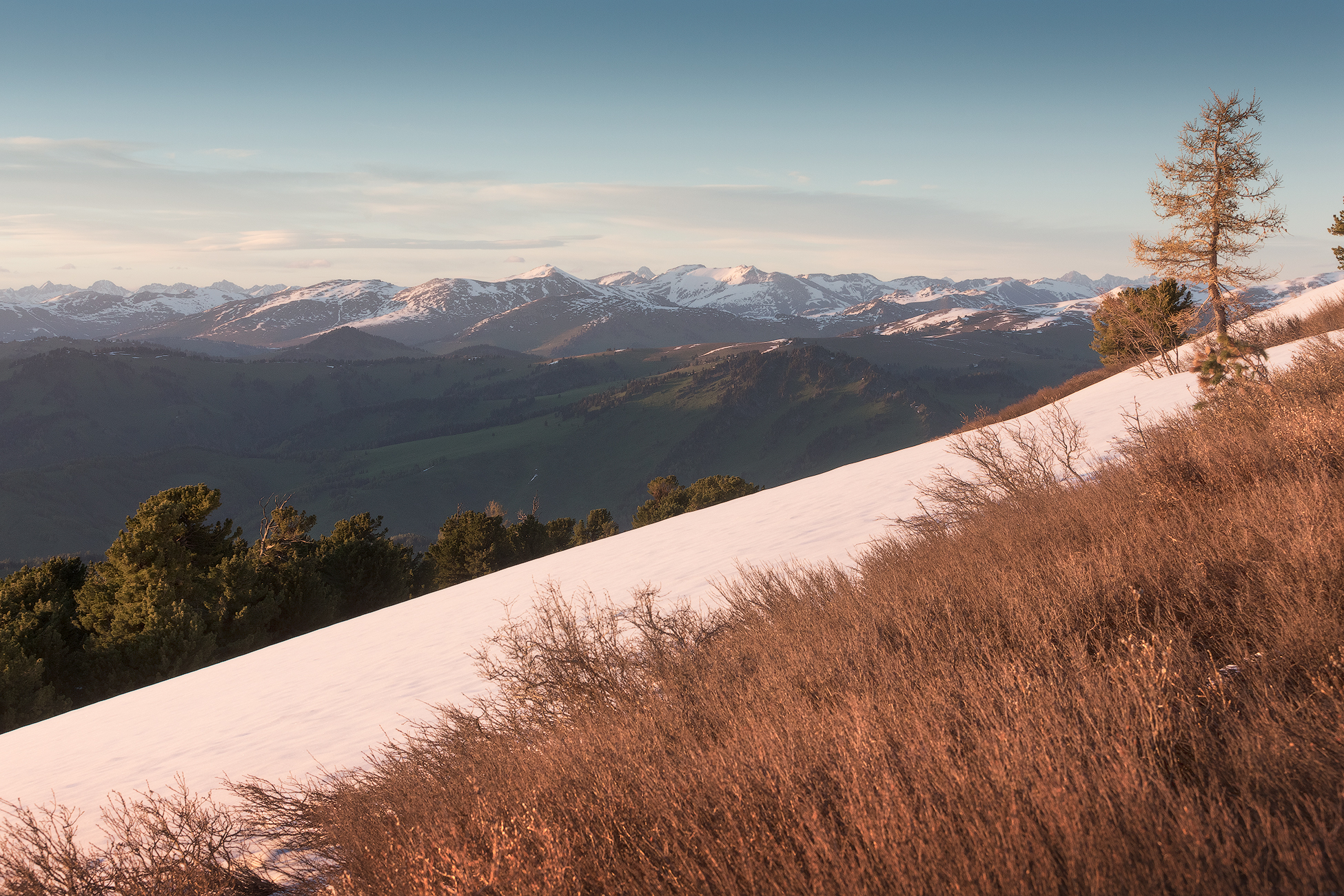
Breakfast and departure by 10:00 a.m. We head to the “Austrian Road” and climb to a viewpoint near Burkhat Pass.
This unofficial name comes from a little-known historical fact. Prisoners of war from the former Austro-Hungarian Empire were brought to the outskirts of the Russian Empire, near the borders with China, during the years of the First World War (1914–1920). Under inhuman conditions, in just two years (from 1914 to 1916), at an altitude of 2,000 meters above sea level, they manually built a mountain road. The road was constructed to connect Altai with the Irtysh region and had a purely strategic purpose for guarding the borders of the Russian Empire, as it reduced the distance from Katon to Markakol from 500 km to 90 km. Therefore, the road can also be considered a monument to heroic human labor. It was built by only 300 people (!). How many of them died during construction, how many returned home, or how many remained in Kazakhstan - no one knows today…
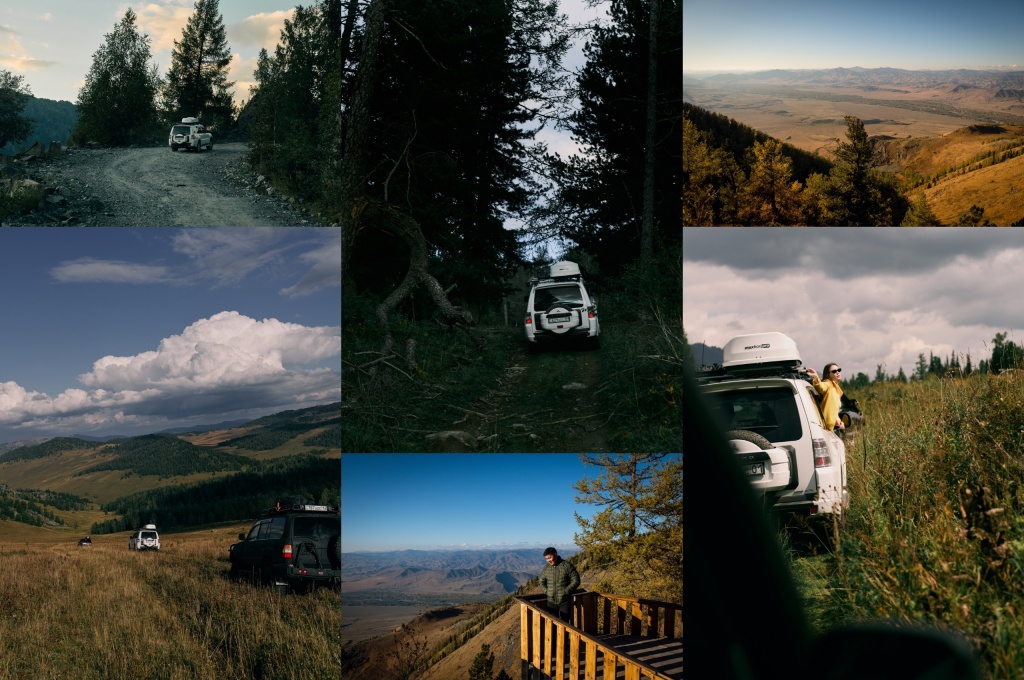
At the viewpoint, we will admire breathtaking views of the Bukhtarma River valley, the entire Katon region, and, if the weather is favorable, we will see Katon’s main landmark — Mount Muztau (Belukha).
We will also enjoy a picnic lunch here. After lunch, depending on the mood and weather, we can take a walk to the nearby cedar forest, collect cones, and those who are especially attentive may enjoy plenty of fresh blueberries.
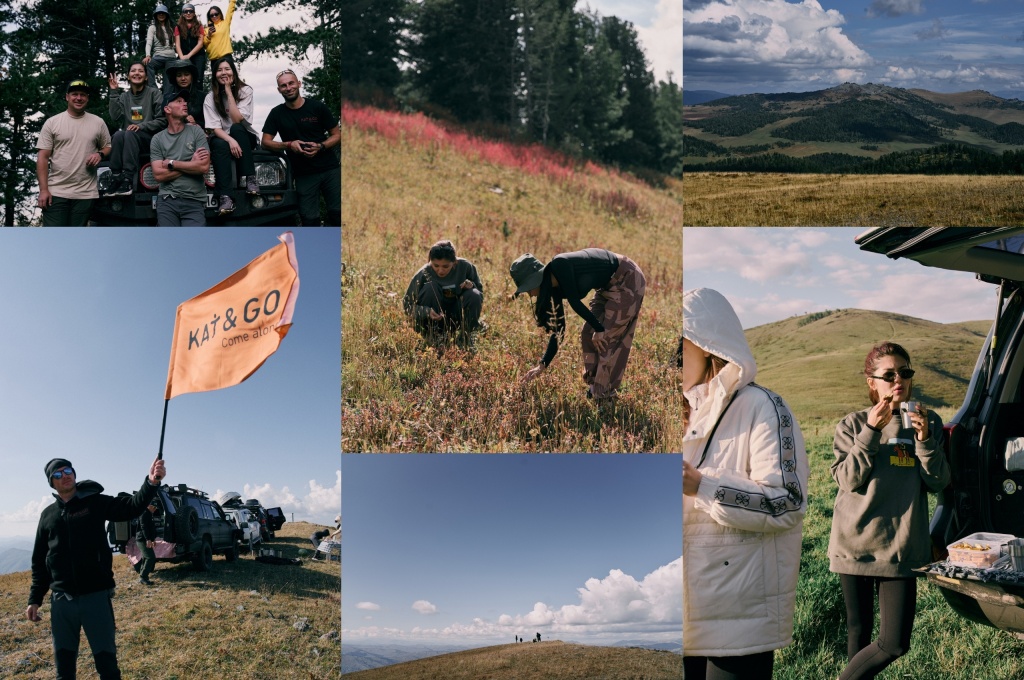
In the evening, we descend from the pass and head to the guest house. Accommodation, dinner, and rest.
*Accommodation in a guest house or small hotel, depending on availability. Double or triple rooms with all standard amenities: private shower and toilet.


depending on the situation
Early wake-up depending on flight schedule. Breakfast and departure to Ust-Kamenogorsk. We will stop for lunch at a cafe or organize a picnic along the way. Upon arrival, transfer to the airport and departure home.
! Please note: Since Katon-Karagay is located in a mountainous area with specific weather conditions, the organizer reserves the right to adjust the itinerary solely to ensure the safety and comfort of the group.